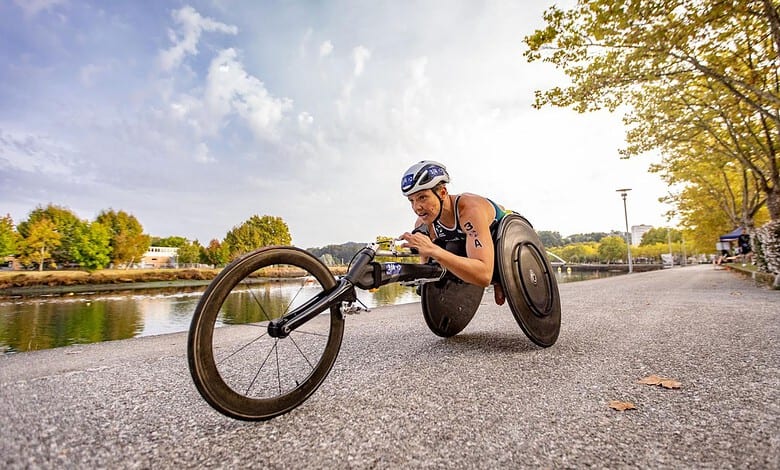
A development camp can provide concentrated learning, but an athlete also needs somewhere to use that learning afterwards. Asia Triathlon’s Subic Bay report brings the relationship between coaching, equipment and competition into focus.
Learning alongside competition
The federation reports that the Subic Bay Para development camp brought together 19 participants from the Philippines and India alongside the continental Para championships. Its account highlights a young athlete base and differences in access to specialist equipment and experience between established and developing programmes.


The camp is an example of a specific project. Its participant number should not be used as a measure of Para triathlon’s total growth across Asia.
Triathlon Insight analysis: ask what happens after camp
For a development partner, the useful starting point is the participant’s next opportunity. Can the athlete access an appropriate training environment, qualified support and suitable equipment once the group disperses? A one-off intervention cannot answer all of those questions.
A programme could identify the next stage before the camp begins, then review it with the responsible federation and delivery team. That would help distinguish an inspiring experience from a supported development pathway.
Equipment support needs a system
A brand considering equipment support should work with the organisation that understands the athlete’s requirements. Suitability, fitting, maintenance and the responsibilities attached to shared equipment all need competent assessment.
An item that cannot be serviced locally may create a new problem rather than remove one. A useful agreement would explain who manages the equipment, how questions are resolved and what happens when a repair or replacement is needed.
Include coaches in the investment
Supporting local expertise can help a programme continue between visits from external specialists. That may involve education, mentoring or access to appropriate technical information, depending on the federation’s plan.
The objective should be agreed with the people delivering the programme. It is better to fund a defined need than arrive with a package designed around what a partner happens to have available.
Keep the longer view visible
A review could track whether participants continue to access suitable activities and where support is missing. It should respect athletes’ choices and avoid treating every person as a future elite competitor.
For the triathlon industry, the wider lesson is that equipment and opportunity belong in the same conversation. A sustainable programme needs more than a successful camp photograph: it needs people, practical access and an understandable next step.
Image: World Triathlon / Asia Triathlon.