HYROX is attracting athletes, brands, sponsors and commercial investment at remarkable speed. With World Triathlon now embracing hybrid racing, could the sport be legitimising a rival that might compete for its future?
For years, triathlon has occupied a distinctive position in endurance sport. Swimming, cycling and running combined into one challenge have built an international events business and a specialist retail economy. But HYROX has emerged as a powerful alternative for people looking for a competitive fitness goal. The question is not simply whether HYROX can overtake triathlon in participation. It is whether triathlon can retain the next generation of athletes and the commercial support that follows them.




The numbers should make triathlon nervous
HYROX has developed from a relatively new fitness format into a major international participation property. Infront reported more than 750,000 athlete participations across 80 events in 31 markets in 2025, alongside a network of more than 10,000 affiliated gyms. Those are global figures and cannot be compared directly with the Triathlon Industry Alliance’s estimate of more than 120,000 active racing triathletes in Great Britain in 2025. Nevertheless, the contrast shows the momentum behind hybrid racing. Triathlon is recovering participation after the pandemic; HYROX is recruiting through a rapidly expanding fitness network.
HYROX has made competition easier to access
Triathlon asks newcomers to prepare for swimming, cycling and running, often with access to a pool or open water, a suitable bicycle and specialist equipment. Those requirements are part of the sport’s appeal but can also be barriers. HYROX combines eight one-kilometre runs with eight functional workout stations. The format is consistent and can be trained for through an ordinary gym and running programme. HYROX is physically demanding, but its route from interest to entry is comparatively straightforward. In a crowded market for leisure time and disposable income, simplicity matters.
The gym network could be HYROX’s greatest weapon
HYROX has built a distribution network for participation through affiliated gyms. Members can discover the competition through classes, coaches and training partners they already know. Triathlon often relies on individuals finding an event or club for themselves. Excellent triathlon clubs exist, but the pathway into the sport is less consistently visible. The lesson for governing bodies and organisers is not necessarily to imitate a gym franchise. It is to make first contact, beginner training and entry-level events easier to find.
The battle for sponsorship has already started
PUMA extended its HYROX partnership through 2030, reflecting the value a global sportswear business sees in the format. Indoor venues can offer concentrated branding, hospitality, retail activation and spectator engagement. Triathlon provides compelling landscapes and endurance stories, but courses spread across roads and open water can make activation more complicated. Sponsors evaluate audience reach, participation growth, demographic relevance and measurable return, not heritage alone. The pressure on triathlon rights holders to communicate their commercial value will intensify.
The real threat is to triathlon’s next generation
Committed triathletes are unlikely to abandon the sport overnight. The greater risk is losing prospective entrants. A recreational runner who enjoys gym training might once have considered a sprint triathlon as the next challenge. HYROX now offers a recognisable alternative without the extra logistics of swimming and cycling. If that choice becomes routine for younger fitness consumers, the long-term effect could be felt by local races, coaches, clubs and specialist retailers. This is a risk scenario, not proof that such a migration has already happened.
Could specialist triathlon retailers lose out?
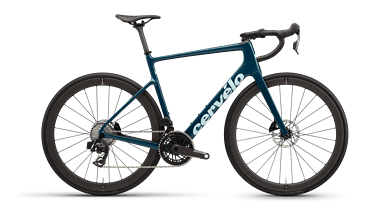
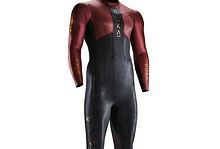
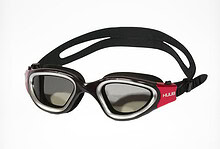
Triathlon supports demand for bicycles, wetsuits, technical apparel, running footwear, nutrition and training technology. HYROX participants also buy equipment and services, but the mix leans more heavily towards footwear, gym apparel, training, nutrition and recovery. That can favour broad sports retailers and fitness businesses. Triathlon specialists should consider whether hybrid fitness communities represent an adjacent market, while protecting the fitting expertise, service and technical knowledge that differentiate them.
World Triathlon’s HYROX partnership changes the equation
In October 2026 World Triathlon and HYROX announced a strategic partnership intended to recognise hybrid racing within the federation’s disciplines and develop championship pathways. For World Triathlon, the arrangement offers access to a fast-growing audience. For HYROX, it offers governance structures and sporting legitimacy. But it also raises a difficult question: is triathlon broadening its reach or strengthening a format that could compete for attention, participants and investment? The answer will depend on how national federations allocate resources and whether the partnership creates genuine routes into traditional triathlon.
Triathlon is not dying
There are important reasons not to exaggerate the threat. The Triathlon Industry Alliance has reported signs of recovery in British participation, while major international event operators have described strong demand. IRONMAN reported more than 250,000 age-group registrations across its 2025 event portfolio, and Challenge Family reported participation growth. Different organisations count entrants differently, so those numbers should not be combined into a single participation estimate. They do, however, show that the appetite for multisport racing remains significant. Open-water swimming, outdoor cycling and the challenge of three disciplines provide an experience that HYROX cannot simply replace.
What triathlon needs to do now
The answer is not to copy HYROX wholesale. Triathlon should make its own entry-level offer clearer: accessible sprint and super-sprint events, welcoming club sessions, realistic equipment advice and partnerships with pools, gyms, schools and running communities. Organisers should make race information and costs transparent, while retailers should help beginners understand what they actually need. The sport can also improve spectator experience, consistent branding and commercial measurement without losing its distinctive character.
Could HYROX actually kill triathlon?
Probably not in the literal sense. Triathlon has international institutions, Olympic recognition, established races and a committed community. HYROX does not have to eliminate any of those to exert commercial pressure. It only has to attract a meaningful share of newcomers, sponsorship budgets and discretionary spending that might otherwise support triathlon. Equally, hybrid racing could introduce more people to structured endurance competition and ultimately benefit both formats. The industry cannot assume either outcome. HYROX may never kill triathlon, but if triathlon fails to adapt, it could become the sport attracting the next generation of endurance athletes while triathlon is still working out how to reach them.
Sources and further reading
- World Triathlon and HYROX partnership announcement
- Triathlon Industry Alliance participation analysis
- Infront HYROX participation figures
- PUMA partnership announcement
Triathlon Insight industry analysis, November 2026.