The market for performance cycling equipment is increasingly about explaining meaningful gains, fit and ownership costs rather than relying on headline technical claims alone.
Performance claims need context
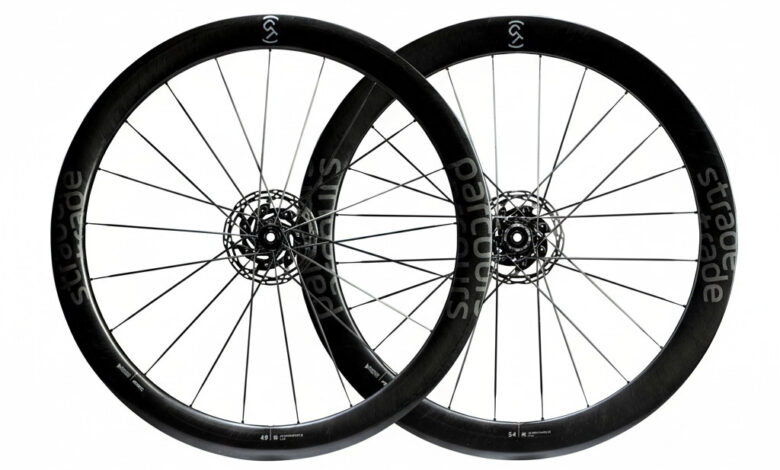
Wheelsets, frames and cockpit systems are often presented through aerodynamic language. Yet real-world value depends on rider position, terrain, handling, weather and the complete bike setup. Retailers should distinguish controlled-test claims from outcomes that can reasonably be expected by an individual athlete.




The importance of the fitting conversation
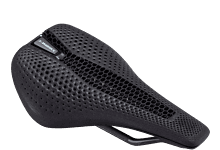
A highly specified product is not automatically the best choice. Comfort, adjustability, safety and serviceability affect whether an athlete can use the equipment effectively. Fitting services and knowledgeable advice are therefore commercially important, particularly for riders entering longer-distance events.
After-sales as a differentiator
Compatibility, spare parts, maintenance and warranty support can be decisive purchase factors. Specialist retailers can compete on these services even when online sellers offer a wider range of headline prices. Brands that make technical information accessible help their dealer networks deliver a better experience.
What the trade should monitor
The next test for the sector is whether suppliers can translate engineering advances into clear consumer benefits while protecting retailer margin and customer confidence. Evidence-led communication and strong service support may matter as much as the next product launch.
For more industry coverage, visit Triathlon Insight Features and related reporting.
Industry analysis by Triathlon Insight. This article examines market implications and does not present unverified commercial forecasts as established facts.