Triathlon is entering a period of change. The familiar swim-bike-run formula remains central to the sport, but the way people discover, enter and experience it is becoming more varied. Shorter events, flexible training, social communities and digital platforms are challenging the idea that progression must always lead towards longer distances.
For race organisers, retailers and equipment brands, this is more than a question of distance. It is a question of who the sport welcomes, what participants want from an event, and how businesses can serve them beyond race day.


Shorter races, broader possibilities
Long-distance racing has enormous cultural influence in triathlon. The endurance challenge, demanding preparation and extraordinary finish-line stories are powerful. Yet for many prospective participants, the time required to train for an IRONMAN-distance event is not realistic. Work, family, travel and cost all affect the decision to enter.
Sprint and standard-distance races provide a different proposition. They can fit around busy lives, offer an achievable first challenge and allow experienced athletes to compete more frequently. Super-sprint events and relay formats lower the psychological barrier further by allowing people to sample the sport without committing to three demanding disciplines at once.
This does not mean long-distance triathlon is disappearing. Rather, the sport has an opportunity to recognise different forms of achievement. A first sprint finish can be just as meaningful to its participant as a personal best over a much longer course.
Community is becoming part of the product
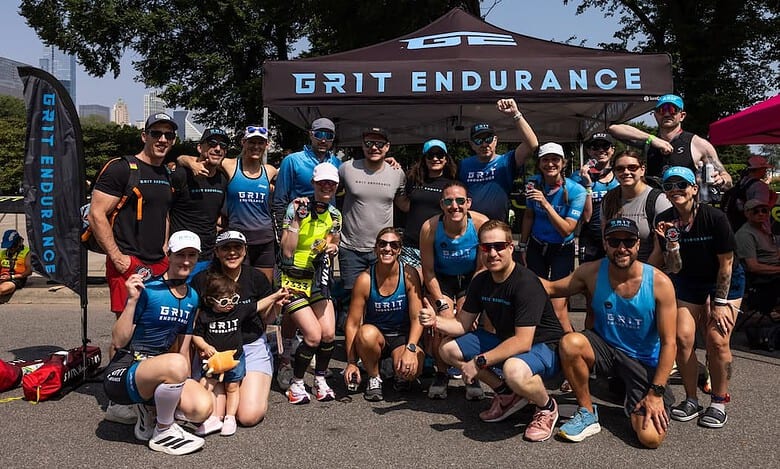
For an increasing number of endurance athletes, the social environment matters alongside the finish time. Training groups, open-water swim communities, local cycling clubs and run crews can turn an intimidating individual challenge into a shared experience.
That creates an opportunity for organisers to think beyond the start and finish lines. Beginner briefings, coached course familiarisation, inclusive transition-area guidance, family activities and opportunities to meet other competitors can make an event feel welcoming. Post-race gatherings and volunteer programmes help participants stay connected.
Community also changes marketing. Recommendations from a trusted clubmate or training partner may carry more weight than a polished advertising campaign. Brands that support local sessions and offer practical advice can build stronger relationships than those concentrating exclusively on elite sponsorship.
The next generation wants a different entry point
Younger athletes are accustomed to discovering activities through social platforms, short-form video, creator communities and digital training tools. That does not mean every young participant wants the same experience, but it does suggest that triathlon needs to communicate in more accessible ways.
Traditional promotion can emphasise extreme endurance and expensive equipment. An alternative message is simpler: find a local event, borrow or use the bike you already own, learn the basics and participate with friends. Clear guidance on swimming safety, equipment rules and race-day logistics can remove much of the uncertainty that discourages first-time entrants.
For organisers, digital storytelling should show ordinary participants as well as elite athletes. For retailers, the opportunity is to explain what is genuinely necessary and what can wait. Credibility comes from helping people begin without implying they need a professional-level setup.
Women’s participation deserves sustained investment
Making triathlon more accessible to women requires more than a single campaign or a headline participation target. Practical barriers can include confidence in open water, access to appropriate kit, fitting and sizing, safety concerns, training schedules and the availability of supportive groups.
Women-only introductory sessions, visible female coaches, accessible changing facilities and thoughtful race communications can help. So can equipment designed and tested for different bodies rather than merely repackaged with different colours.
Retailers have a particularly important role. Knowledgeable fitting advice for wetsuits, saddles, apparel and footwear can improve both comfort and confidence. A welcoming first purchase experience may influence whether a newcomer continues in the sport.
Participation figures should nevertheless be interpreted carefully. Growth in one age group, event series or registration period does not automatically establish a sport-wide trend. Organisers and brands should use consistent, comparable data before drawing sweeping conclusions.
New formats are expanding the definition of triathlon
Alongside established road triathlons, off-road and gravel-based multisport events offer a different appeal. They can connect triathlon with trail running, mountain biking and outdoor adventure communities. Other innovations include team relays, mixed-format festivals and events that combine competition with coaching and social participation.
Not every experimental format will succeed commercially. Organisers still need suitable venues, safe courses, insurance, volunteers and a compelling participant experience. However, innovation can create new entry points for people who do not identify with the traditional image of the sport.
It can also broaden the equipment conversation. Adventure-oriented participants may already own useful gear and need only a small number of additional products, while committed racers may seek more specialist equipment. Understanding those distinct customers is essential.
Technology is making training more flexible
Wearables, indoor training platforms, smart trainers and coaching applications have changed how athletes prepare. Structured sessions can be fitted around work and family commitments, while digital communities can connect athletes who do not live near an established club.
The risk is that technology becomes another perceived barrier. Data can help athletes monitor progress, but an expensive watch or power meter should not be presented as a prerequisite for entering a local sprint race. The most useful technology is technology that supports an athlete’s goals, ability and budget.
Brands and coaches can stand out by making complex training information understandable, especially for beginners who may be balancing three disciplines for the first time.
What this means for retailers and brands
The commercial opportunity is not simply to sell more premium bikes. A broader participant base can create demand for beginner-friendly wetsuits, accessible apparel, running shoes, nutrition, bike servicing, swim accessories and advice.
Retailers could consider starter-kit consultations, club partnerships, introductory workshops and practical equipment checklists. Brands can develop educational content that addresses genuine questions: how a wetsuit should fit, what to bring to transition, how to train safely in open water and which purchases offer meaningful benefits.
There is also a retention opportunity. A first-time competitor may return for servicing, replacement footwear, nutrition guidance or a second event. Building a relationship with that athlete matters more than maximising the value of the first transaction.
The challenge for race organisers
Accessibility must be balanced with operational realities. Swim safety, road permissions, medical provision and volunteer recruitment are substantial responsibilities. Shorter races are not automatically easier or cheaper to deliver.
Nevertheless, organisers can assess the participant journey from the first website visit through registration, training, arrival, transition and post-race follow-up. Clear instructions, transparent requirements and a welcoming atmosphere are important competitive advantages.
Measuring success also requires looking beyond registrations. Repeat-entry rates, first-time participation, satisfaction, volunteer retention and club engagement can reveal whether an event is building a sustainable community.
A broader future, not a replacement for tradition
Triathlon does not need to choose between elite performance and mass participation, or between long-distance heritage and short-course innovation. The strongest future is one in which different formats reinforce one another.
An athlete might begin with a relay, complete a sprint race, join a club, experiment with off-road events and eventually attempt a middle-distance race. Another may happily remain a sprint-distance competitor for years. Both belong in the sport.
For the industry, the central lesson is straightforward: growth depends on reducing unnecessary barriers while preserving the challenge and excitement that make triathlon distinctive. The businesses and organisers that understand the whole athlete journey—not just the finish line—will be better placed to serve the next generation.