

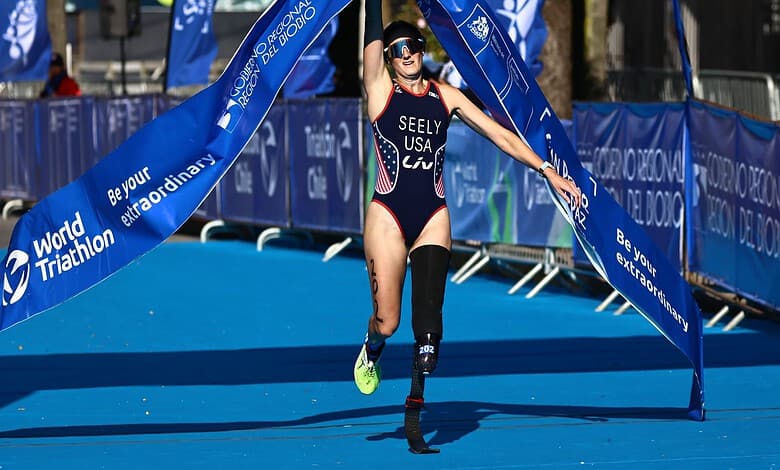
An international Para triathlon field brings together athletes with different equipment and support requirements. The work needed to welcome that field begins well before the start line appears on a broadcast.
An international field in Chile
World Triathlon reports that San Pedro de la Paz’s latest Para Cup brought together 32 athletes from 10 nations. It describes the Chilean race as the only South American stop on the world Para triathlon circuit, now in its second edition.





Those facts establish the event’s international reach. They do not, on their own, measure the accessibility of every part of the athlete journey or the wider participation base in the region.
Triathlon Insight analysis: start before arrival
For an event team, a useful access review should include the information athletes need before deciding to enter. A clear contact route allows people to discuss requirements rather than infer what a venue can provide from a few photographs.
The team should work with athletes and appropriately experienced specialists. An access statement needs to describe the actual arrangements and any limitations, with a process for checking questions the standard information does not answer.
Map responsibilities across the event
Venue staff, contractors and volunteers may each handle a different part of the journey. The organiser needs a shared understanding of who is responsible for what, including how an enquiry moves between teams.
A practical rehearsal could follow a specific arrival or equipment-handling process with input from people who use it. The aim is to identify unclear handovers before a participant encounters them under race-day pressure.
Make supplier support useful
Brands and service providers interested in Para triathlon could ask where specialist knowledge or equipment support would make a practical difference. Any arrangement needs appropriate competence and a clear scope. A well-intended intervention should not alter an athlete’s equipment or established process without agreement.
Commercial communications should also represent athletes accurately and with their consent. The event should not rely on an athlete’s personal story to substitute for information about what the business is actually providing.
Build feedback into the next edition
After the race, an organiser could ask athletes and support teams which arrangements worked and where information or coordination fell short. The response should lead to recorded actions, with ownership and a review point.
A successful international race is a sporting achievement and an operational undertaking. For the industry, the useful lesson is to treat access as a continuing part of delivery, informed by the people taking part.
Image: World Triathlon.


